Let the Games Begin

So I’ve been persuaded to start the blog up again for the duration of the general election campaign. This may seem a trifle odd as, to most onlookers, our political leaders seem to do a pretty good job of satirising themselves. This is, however, too good an opportunity to miss. It’s only every five years that the doors to the Westminster asylum are thrown open and the inmates dispatched around the country to remind the populous as to why they were sent to the asylum in the first place. We’re going to be treated to weeks of awkward looking politicians standing in a field / factory / shipyard / school / hospital / pub dressed up as ‘one of the people’ and telling us why farming / manufacturing / shipbuilding / educationising / hospitalising / drinking are so important to them. 

At the end of all this we will end up with one of two people taking the controls as the next Prime Minister of this country. Neither of the potential candidates are ideal. In fact, if you were responsible for recruiting the next Prime Minister and, at the closing date for applications, you only had the CVs of David Cameron and Ed Milliband on your desk you’d probably decide to put the advert back on the board for another month or two. You may even give the HR team a ring to find out where exactly they’d been advertising this role and if they’d properly understood the required skill set.

I mean on the one hand you have David ‘Dave’ Cameron who is, in fact, some kind of remotely controlled android. I’ve had this theory for a number of years and have settled on the conclusion that he is a ‘replicant’ of the Blade-Runner type that was created around 2003 by Conservative Central Office to counter the force that was Tony Blair. You see after the disaster (for the Tories) that was the 2001 election (in which they were led by the great method actor William Hague), the Conservatives realised that the only way they could beat Blair was to copy him. The party was taken over by the evil Sith Lord Michael ‘something of the night about him’ Howard who quickly started the research to create Cameron V1.0. 

Don’t believe me? Look at the recent debates and interviews when DaveBot is asked an awkward question. His face tenses up, his eyes glaze over briefly and his mouth distorts. It’s what EE would call a ‘buffer face’. He’s waiting for the correct answer to be uploaded into his program from the team of spin doctors frantically searching through the ‘popular answers’ folder of their control computers in the Tory bunker located just outside of Woking. The sad thing is, DaveBot believes he’s human and, at times, can’t understand why other humans don’t like him.

The alternative? Ed ‘I’m well ‘ard’ Milliband. 

Oh dear.

Ed Milliband is a self-contained Shakespearean tragedy. As the down-trodden sibling, he’s betrayed and deposed his brother, seized the crown and is now hell-bent on destroying the party that dared vote against him as leader. (Remember kids, Ed Milliband only got elected because of the support given to him by the unions. The party wanted David.) I really think the best possible strategy Labour could implement over the next five weeks is to not allow Ed anywhere near anyone or anything at all. Especially not on television. When he stares down that lens (as he did in the debates last night) he’s definitely got a Demon Headmaster vibe going on. I was slightly concerned he’d resorted to hypnosis to try and get elected. 

I’m not entirely sure when the main ‘personal quality’ required for the role of PM changed from ‘statesman’ to ‘numpty’ but I’m pretty certain that New Labour had something to do with it. It seems hard to conceive that the role being sought by Cameron and Milliband is the same role that was once occupied by greats such as Winston Churchill. 

Maybe it’s a reflection on the society in which we now live that our political leaders have to be bland and generally boring. Maybe in the world of twitter, social media and rolling news they are so afraid of saying anything controversial that they now don’t really say anything at all. Maybe the rise in the smaller, more ‘wacky’ parties is the start of a general revolt against the beige politics that are currently practised by the ‘big three’ (say nothing, commit to nothing, do nothing). Maybe the only answer is to have a ‘rainbow coalition of doom’ in which the Isle of Man is the controls parliament. Maybe we should all march to London and demand something better. 

Or maybe I’m just reading far too much into all of this…. as the media seem to do on a daily basis. 


Who knows?


We’ve got five weeks. That should be enough time to find out. 


Standard

…and thanks for all the fish.

So this is it.

I’m writing this final entry as my train from York to Derby approaches Sheffield, the station at which I wrote the first entry in this blog what-seems-like three years ago. It’s been a remarkable week and I’ll admit I’m more than a bit tired. I seem to have a sense of trepidation as the train approaches Derby, almost a slight tinge of claustrophobia. For the past seven days it’s been possible for me to go anywhere at any time with only a moments notice. The thought of a final destination seems awfully…well…final.
This blog grew into a much bigger thing than I originally intended it to be and I hope you’ve all enjoyed reading it over the duration of my journey. I’m slightly concerned that I may have caused a dip in UK GDP on Tuesday and Wednesday when people who obviously should’ve been working were instead following my progress around the country.

There’s a fair bit I didn’t write about: The south coast (Brighton = good; Hastings = mostly good; Margate = oh dear), the Cumbrian coast (I’m concerned my views were too strongly influenced by the mode of transport) and fair chunks of the south west (sorry Bristol). Maybe next time. Having to keep you all updated on what was going on did at least help me (mostly) stave off the madness that may otherwise have set in.

What was the highlight? Well, there were a number. Some that stand out:

Places I need to go back to: Edinburgh, Kyle of Lochalsh, Liverpool, York.
Best journey: Definitely the line out to Kyle of Lochalsh.
Funniest moment: A few spring to mind but the winner has to be walking down a deserted promenade in Blackpool thinking ‘what on earth am I doing here?’.
Biggest surprise: How easy it was to get everywhere. In my whole journey I only encountered one real delay – and that was when I was asleep.

The train is now approaching Derby so I’d better upload this. I’m sure I’ll do this again some day (when work next let me out to play) but, for now, it’s been an experience.

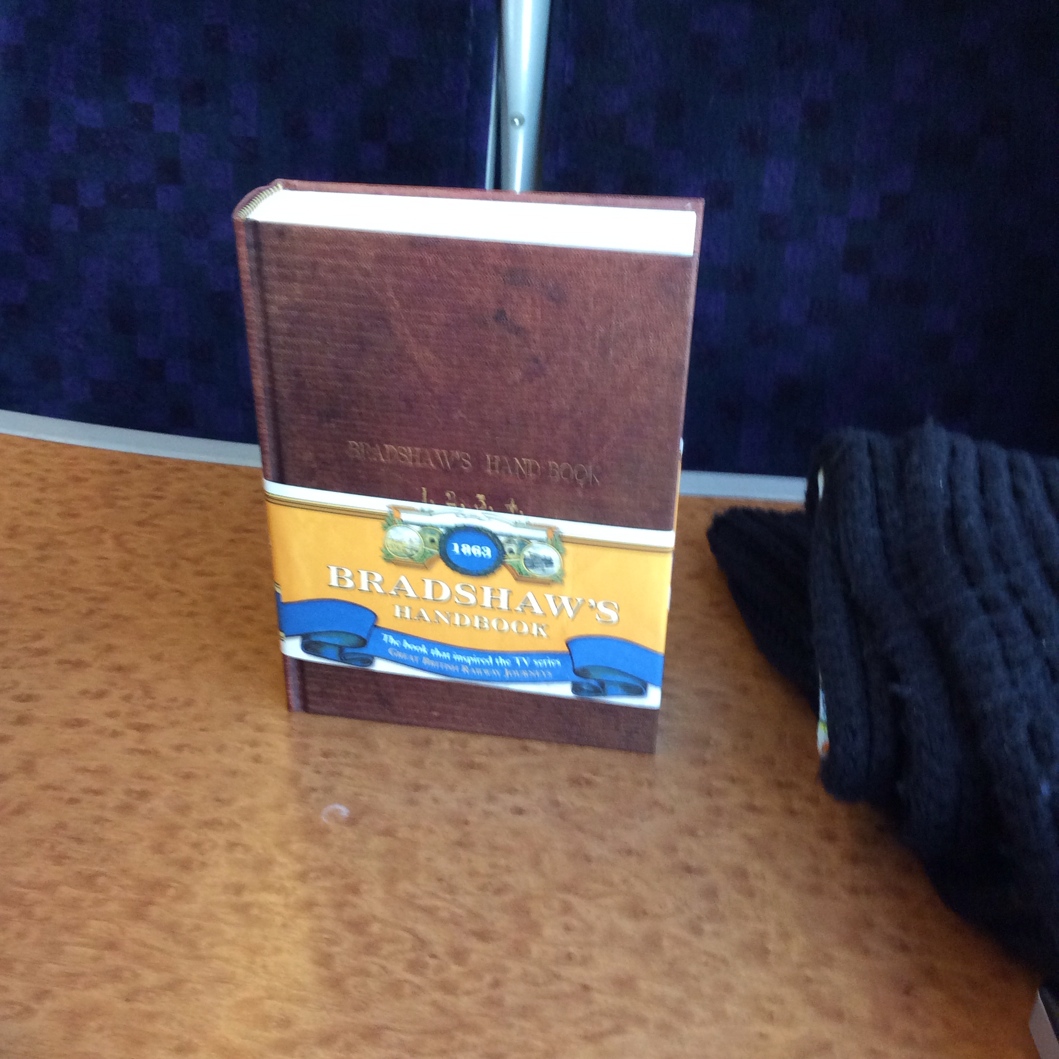
I made one purchase from the National Railway Museum shop in York:

I’m sure it’ll be an interesting read…


Standard

York

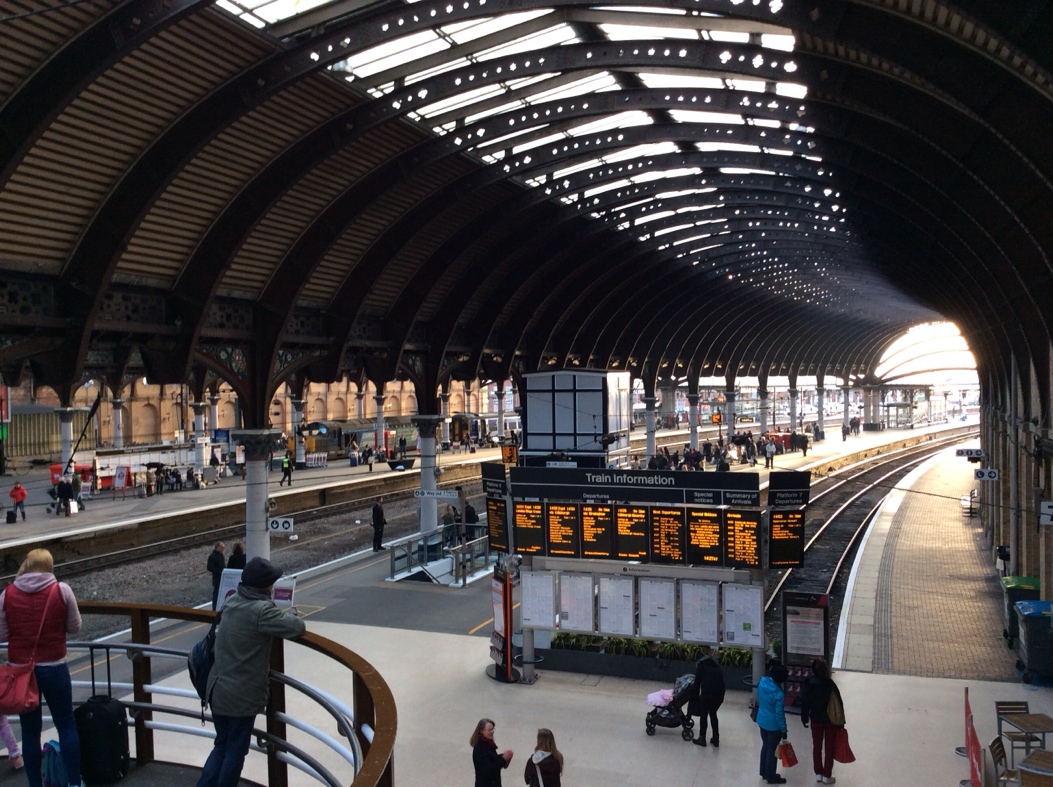
York is a quiet, unassuming hamlet of a station that is served by one single-car train a day and doesn’t really have much of a connection to or with the rail industry in this country. Here is a photo:

In all seriousness, from the brief time I was there, York appears to be a fascinating place – the Venice of the North West – and is definitely going on the ‘weekend away’ list, which seems to have got quite a bit longer over the past week. 

Perhaps more relevant to this trip is the fact that York is home to the excellent National Railway Museum, which is well worth a visit if you’re ever in the area. I thought it was an appropriate place to have lunch before turning the ship around and making the final journey back to Long Eaton. There are an awful lot of locomotives to see in the museum covering railway development all the way from the humble beginnings to the present day. I hope they’ve set some space aside for a Pacer unit to occupy in a few years time. In one single action the development of the Pacer almost completely unravelled hundreds of years of rail industry progress. It must never be allowed to happen again and hence a single specimen must be preserved to act as a warning for future generations.  

Standard

Seat Selection

Henceforth and herewith is presented the ultimate league table of train seats (from best to worst) that you should use as a guide next time you travel:

1. Table seat to yourself: This is the holy grail and will only happen once or twice in a lifetime on long journeys (unless you live in Kyle of Lochalsh). If you find yourself in this situation you need to ensure you lay claim to the territory as quickly as possible. See if you can find a broadsheet newspaper to read. Use the multiple power points to charge your phone, tablet or indeed run a travel microwave off. Order everything off the trolley and have a three course meal. You get the idea.
2. Table seat shared with one other: The key here is not to sit directly opposite the other passenger; this allows you to stretch out without the horrifying prospect of accidentally touching the other person’s legs (see ‘Catastrophic English Social Conundrums, vol. 3, P114 – 117, Harper & Collins, July 2004’).
3. Airline seat to yourself: This can vary in quality depending on which type of train you’re on but most train operating companies seem to have got the message that at least some leg-room is a good idea.
4. Airline seat with someone next to you: This is ok, but can vary depending on whether you’re in the aisle or window seat. If you are in the window seat you could pursue the risky strategy of going to the shop / toilet / vestibule every five minutes in the hope that this may result in a promotion to number three on this list. If you’re sitting in the aisle seat however you should note that it’s not considered socially acceptable to use the wall socket to charge your phone, draping the cable over the other person’s legs.
5. Fold down seat in the vestibule: This is actually ok and preferable to items lower down the list. Don’t try and do this on commuter services to London though – you will be subconsciously lynched.
6. Table seat with three others (aisle): Cramped and awkward. The whole journey becomes a four-way game of chess for leg room and table space.
7. Standing: Underrated for short journeys but can get tiring on a three-hour inter-city trip. Mandatory on commuter services into London but with the added benefit that so many people are standing you don’t actually have to hold on to anything.
8. Table seat with three others (window): See point 6. but worse. Not for the claustrophobic. Saving grace is that you can spend the journey looking out the window (unless you’re in one of those weird Pendalino seats that doesn’t line up with any window).
9. Luggage Rack: Always an option but generally reserved for students going to festivals.
10. The toilet seat: Bad, bad, bad. Avoid at all costs. Usually smells something rotten and you suddenly become the toilet gatekeeper. Other passengers expect you to keep a log of the current status of the toilet and you’ll be asked questions such as ‘is anyone in there?’, ‘how does the door work?’ and ‘is this the toilet?’. (I am actually currently sat in the ‘toilet seat’ on a train to York and someone has just asked me that final question. I mean really? I was tempted to reply ‘no, it’s the lift to the menswear department’).
11. Walking: If it’s a nice day, why not walk to the next station? If it’s not a nice day, why not walk to the next station? (See blog entry from Thursday).
12. Any Seat On a Pacer: Just don’t do it. If you walk into a station and see one of those things you need to seriously ask yourself ‘is my journey really worth it?’ If the purpose of your journey is anything shy of saving the human race then no, it is not worth it. If you are saving the human race then good luck! If you survive the pacer experience please ensure you go and deal with the situation in Woking. Latest word is that average property prices have now dropped below the half-million mark.


Standard

North Again!

‘Why Liverpool?!’ They asked.’

‘You were all set up for a night in Ebbsfleet!’

Well why not? If you recall, when I started on this journey almost seven days ago the key aim was to go to places I had never been to before. Liverpool is one of those. Ebbsfleet is not. I have been there before. It was…bewildering. I know they had to have a station on the be HS1 somewhere but, still, Ebbsfleet? I can’t really violently disagree with the decision because Ebbsfleet just doesn’t stir those kind of emotions in me. It just leaves me empty. Blank. Indifferent.
Ebbsfleet would definitely appear on a list of ‘the top top ten most pointless railway stations in the UK’. ‘Southwark’ on the Jubilee line would also be on there (I know, I know, it’s the interchange with Waterloo East but nobody uses it! The train will arrive in the station and proudly announce ‘this station is Southwark’ and there’s that awkward moment when nobody moves for the exit. Glances are exchanged – come on, surely someone’s going to get off – nothing. Even the tumbleweeds have had enough of the place.) East Midlands Parkway would be another candidate. True, when the power station closes down it will be at the centre of a new garden city (you heard it here first) but that’s still at least a decade away.

But where were we? Ah yes: a train to Liverpool, a place I’d never been.
Liverpool is famous for a few reasons in the UK but, everywhere else in the world it’s known because it’s the home of that phenomenally famous British supergroup One Direction The Beatles. Liverpool is so well-renowned for this fact that it may well pass the ‘prompted citizen of Wyoming’ test of city identification. Perhaps I should explain:
A good way to judge how big a UK city really is on the world stage is to consider whether someone who lives in the state of Wyoming, USA would be able to identify it in one of two tests – prompted and un-prompted.
Bear with me here.
For those of you who don’t know, Wyoming is a vast rural state in the USA that has the Rockies on its western boarder. It is perhaps most well-known for the fact that it contains a fair chunk of Yellowstone National Park and was also used extensively as a location in ‘Close Encounters of the third Kind’ (Devils Tower). It has a land area twice the six of England but a population about the same as the city of Leicester. So it’s quite remote. It is, by far, my favourite out of all the states I’ve visited in the US, but that’s a different blog.
Now, it’s important you don’t misunderstand what I’m doing here. This test isn’t a down-your-nose ‘look at the stupid American’ thing. I don’t buy into that perception at all anyway. Such stereotypes of Americans are usually perpetrated by people who’ve never actually been to America. This is more a – if it is truly a global city then a citizen of Wyoming will know about it – test. It works both ways. If I asked you to name five American cities you could easily: New York, Washington DC, Boston, Chicago, Los Angles. Boom. But if I asked you to name five cities in Wyoming? Or three? Or one? That’s my point.
So, UK cities that would pass the un-prompted test (name a city in Britain): London and (possibly) Nottingham. If you asked specifically about Scotland you’d properly get Edinburgh. This is not an attempt to upset the residents of every city that’s not London, Nottingham or Edinburgh, it is simply what I believe the responses would be. (Nottingham only because of the whole Robin Hood thing). If you asked a prompted question (‘where did The Beatles come from’) I think you’d get the answer of Liverpool. (You’d also get the university cities of Oxford and Cambridge this way). So on that un-scientific basis, Liverpool is properly the forth most globally-famous city in the UK.
This properly explains why it became the capital of culture a few years back.

I arrived into Liverpool Lime Street (now that’s a station-and-a-half) at around 21:30. The hotel I was staying in was out on Albert Dock so I’d have to walk through some of the city centre to get there. I’d heard so much about what a cultured and up-and-coming place Liverpool was, so couldn’t wait to experience some of it for myself. With hindsight, deciding to get your first experience of the cultural hub of Liverpool on the last Friday evening before Christmas may not have been the best of ideas. A paralytic drunk on the pavement outside the station however advised me to ‘keep happy’ – so this is what I decided to do as I walked through the city centre. Culture is everywhere – you just have to look at things with the right mindset.
So, without further ado, here are the cultural highlights of my walk through Liverpool city centre at 21:36 on the 19th December 2014:

1. An outdoor impromptu contemporary dance routine being performed by two women in heels (a very difficult feat). The emotion and intensity of this dance was such that it had moved several of the onlookers to tears.
2. A street theatre production of the Shakespearean Classic Romeo and Juliet. The theatre company had decided to bring the production bang up-to-date and stage it in an ally next to the rear entrance to a nightclub. This gritty production seemed to have mostly shouted dialogue.
3. A re-imagining of the famous ‘rumble’ scene from West Side Story. While obviously well-choreographed, I don’t think the depiction of two distinct ‘gangs’ was as good as it could have been. It seemed to be more of a free-for-all.
4. Numerous cars driving round blaring out the works of the greats from their sound system: Mozart, Bach, Beethoven. One car was playing some Britten, which a group of wandering musicians obviously enjoyed so much they couldn’t help themselves but join in with a daring take on the classic.
5. A huddle of people staring at a cutting-edge piece of modern art that had been spontaneously left on the pavement. Apparently it was a work by Emin entitled ‘all the kebabs I have ever eaten’. Stirring stuff.

Is that enough? I think so. (Please don’t take this as a dig Liverpool, I’m sure every other UK city had such spontaneous cultural outbursts last night – it just happened that this was the one I was walking through!)

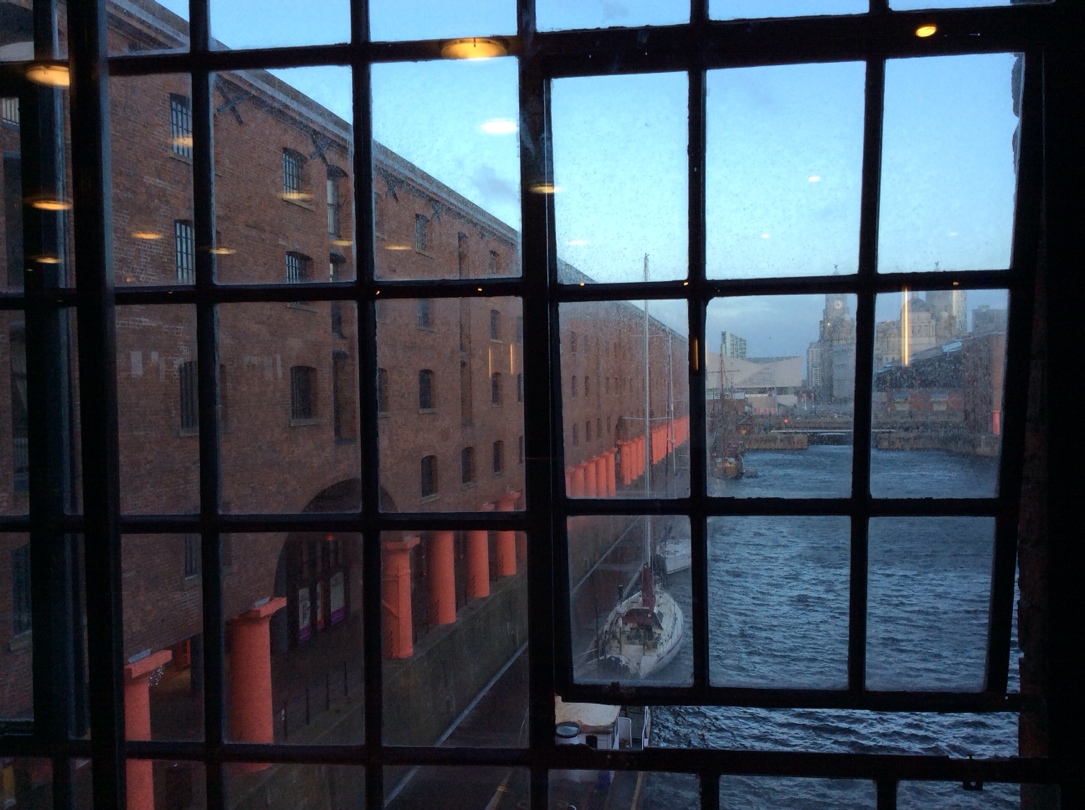
Arriving at the docks I was instantly impressed. The large, lovingly restored warehouses and industrial buildings, all dramatically lit, were unlike any I’d seen in any other cities. The warehouses have all been converted for ‘modern’ usage (as hotels, restaurants etc) but this has all been done very subtly – so you don’t notice unless you really look hard. This preserves the character of the buildings but does make it quite hard to identify your hotel when you’re arriving for the first time on a wet and windy evening!


Standard

Connection Conundrums

In a scientific study conducted earlier this evening, I have deduced the following:

1. In theory it should be possible to make an eleven-minute connection between your train arriving into London St Pancras and your train departing from London Euston – although you’ll have to run. 

2. If your inbound train is delayed however and the eleven minutes becomes seven it becomes a fair bit less likely that you’ll succeed. 

3. The distance from the far side of St Pancras to the platforms at Euston is, according to google maps, 0.7 miles. If you have a seven-minute connection this essentially becomes five-and-a-half minutes (Virgin trains close their doors a minute before departure and you have two ticket barriers / checks to negotiate). Five-and-a-half minutes to do 0.7 miles equates to just over a seven-and-a-half-minte-a-mile running pace (about a 46 minute 10k). This is of course an average and you’ll have to cross three roads and a bus depot in the process (not to mention two large station concourses). Oh and you’re wearing a large rucksack. 

4. If you do decide to attempt the above it is essential (I can’t stress this enough) that you stick to the shortest route, as proposed by google maps, and don’t accidentally end up running down a side street and through a slightly dodgy-looking estate (ok very dodgy looking).

5. It is also essential that, if you get to the platform at Euston just in time to see the doors lock prior to departure, you don’t have a planet-of-the-apes style meltdown where you sink to knees cursing and crying before curling up in the foetal position on the floor. 

6. It is also essential that, rather than replaying the failed attempt in your mind to see what you could have done better, you pay attention to when the next possible train is so you don’t have to repeat the whole performance. 

7. Once you’ve successfully got on a train you should then sit there and write a blog post that lays out in hard facts how difficult that connection was to make so you don’t feel quite so bad about missing it. 

8. You should then go to sleep for a bit. 


Standard

The Island Line

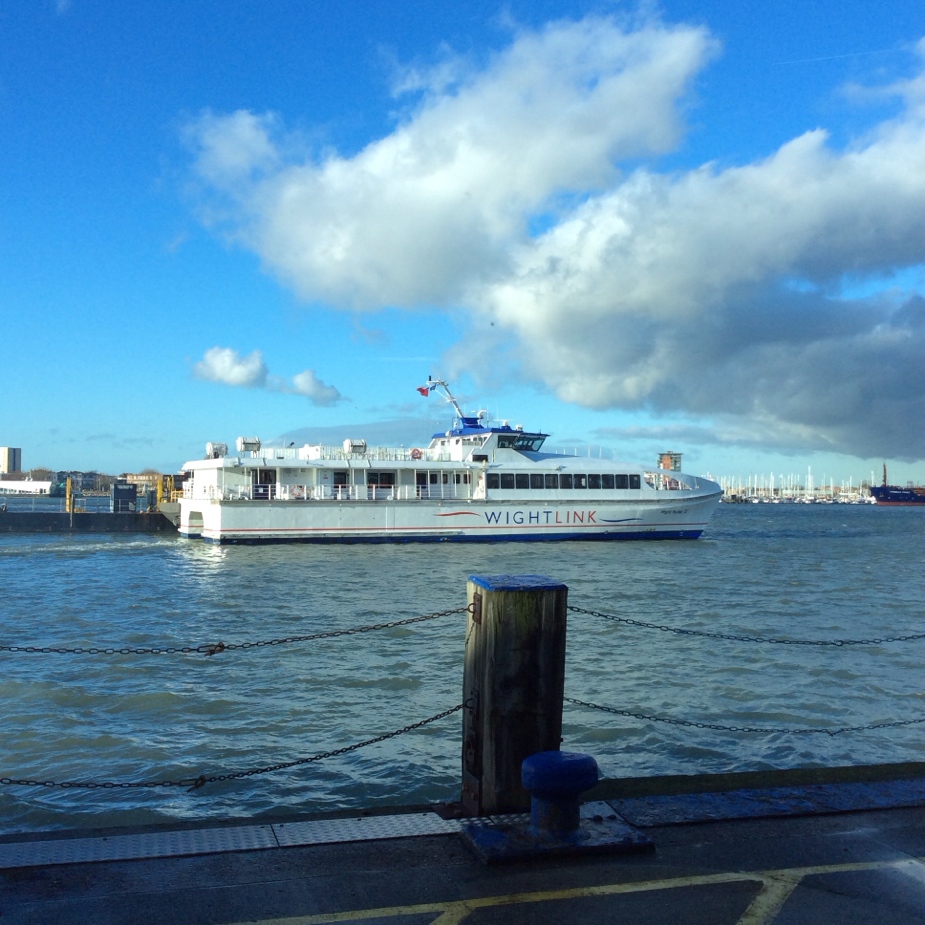
I’ve just had what could accurately be described as a whistle-stop tour down the East Coast of the Isle of Wight.

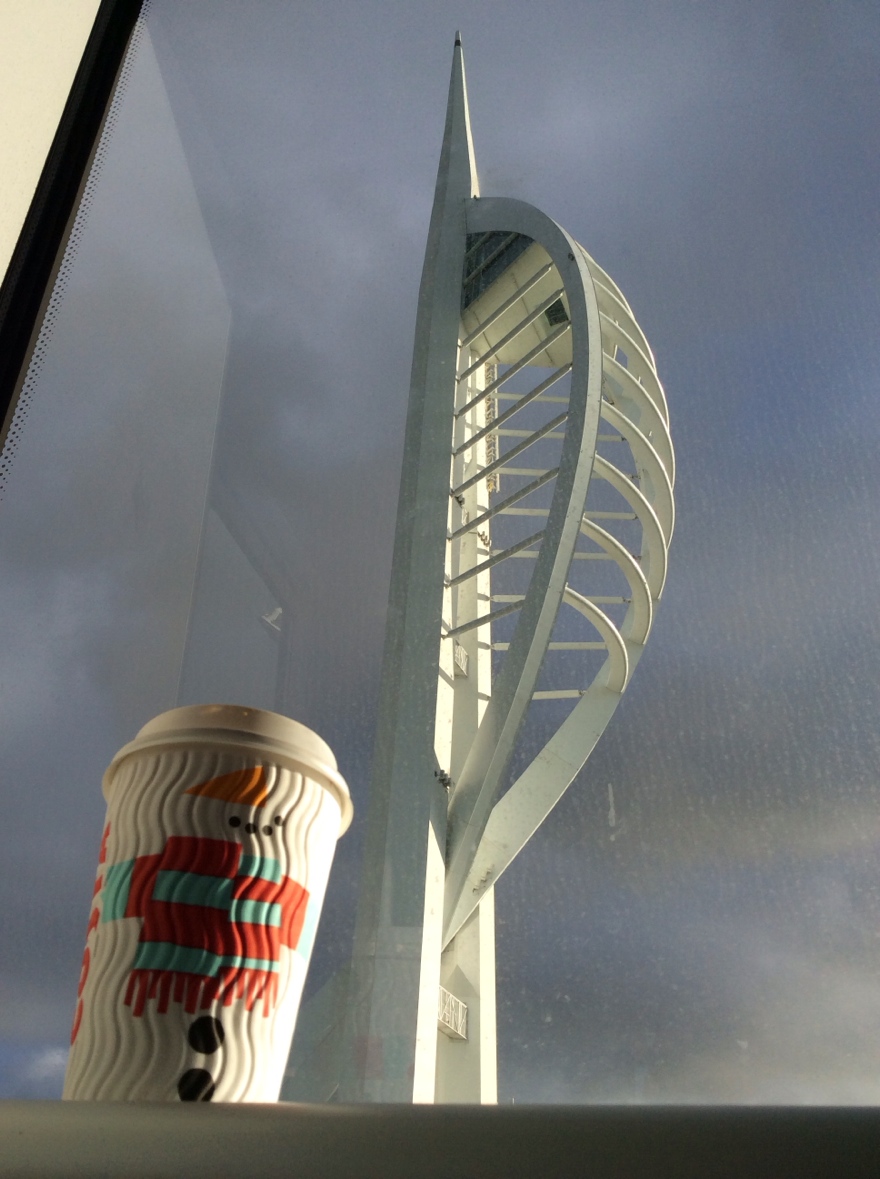
It started with the journey over to the island on the catamaran service that connects with the train from London at Portsmouth harbour station. The weather had distinctly improved from yesterday and I was treated to a good view of the historic dockyard, and the newer Spinnaker Tower, on the way out:

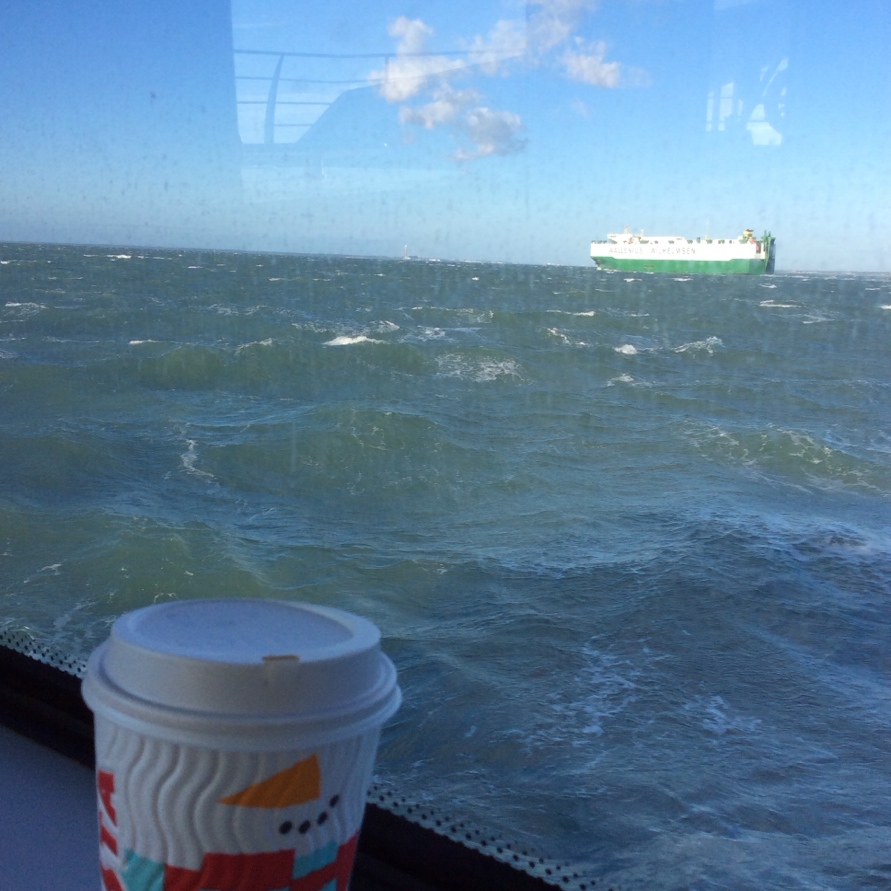
While the rain had abated since yesterday the wind was still quite strong and the crossing over to the island was quite ‘lively’ (the words of the captain of the boat):

(The coffee cup in both of these pictures is a monument to the amount of sleep I managed to get last night durning the various sleeper shenanigans.)

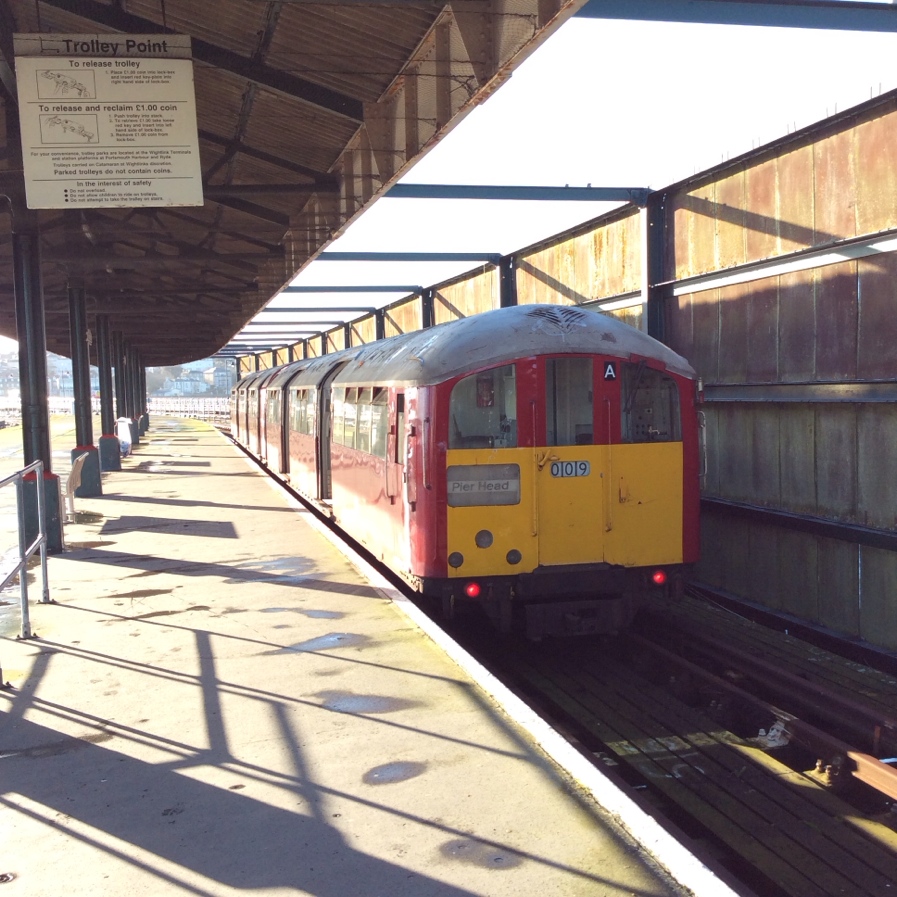
On arrival on the island I immediately went in search of the Island Line station, as it was only a short time until the next train. I needn’t have worried though as the railway line comes right out on to the end of the pier itself. What did surprise me was the train that was waiting in the platform. I remembered people talking about it before but it still takes you back a bit when you first see it:

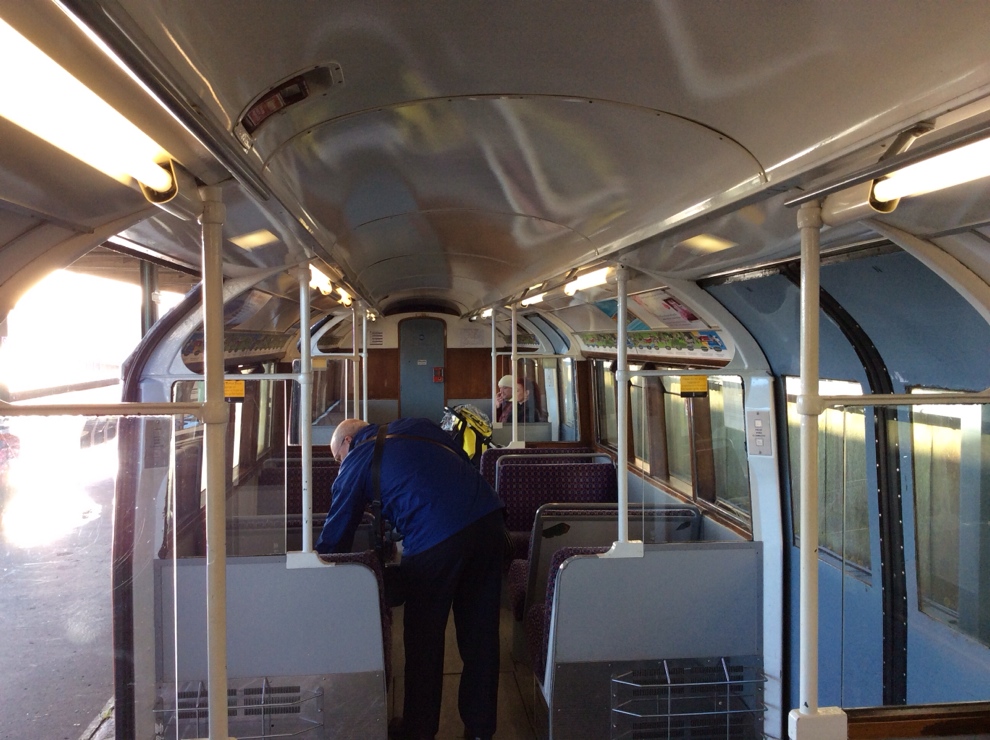
It’s obviously old London Underground stock, I’m guessing from the 1930s, and is quite possibly the last type of train you’d ever expect to see running a service on an island off the south coast. I’m sure one of you will be able to fill me in on the details of exactly how these trains came to be running on the Isle of Wight, but from my perspective it was just a bit odd to be riding on an old Underground train, above ground, on a costal railway. I *think* I remember travelling on a very similar unit on the actual tube in the late 1980s but I’m not sure. Anyway, this is what it looks like inside:

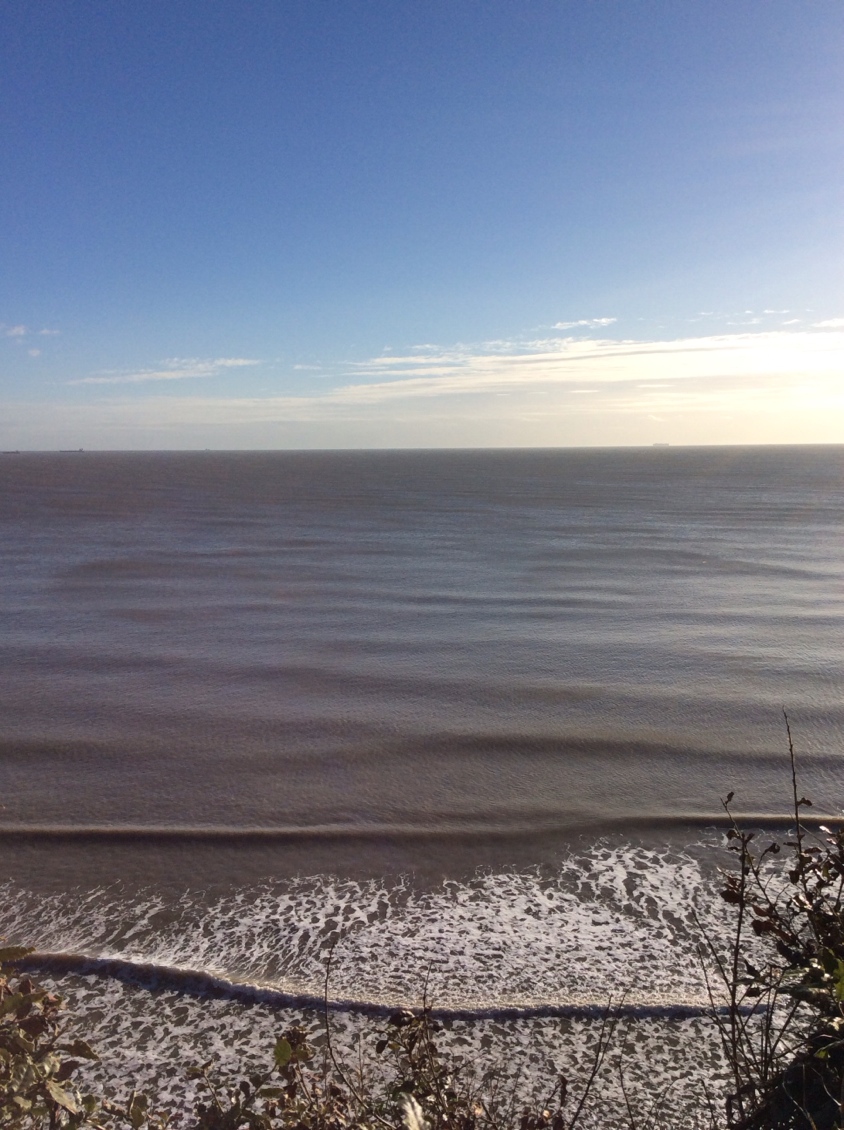
I took the train up the line to one of the intermediate stations to allow me to go on a brief walk prior to catching the train back. As it was, I found the costal park and walked along the cliff-top for a bit:

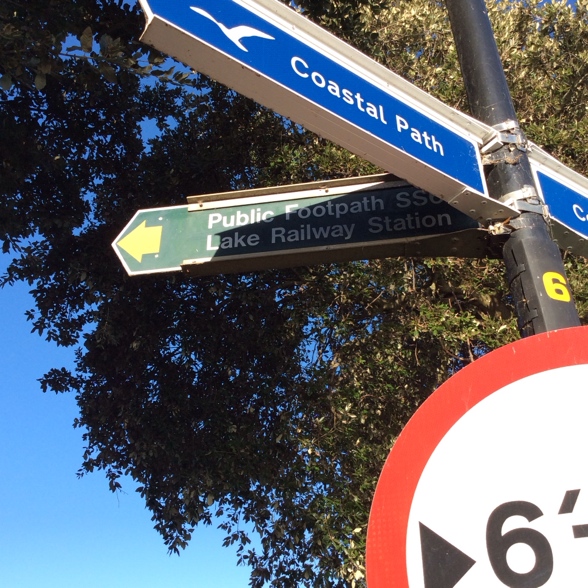
…before finding a route back to one of the other intermediate stations (called ‘Lake’):

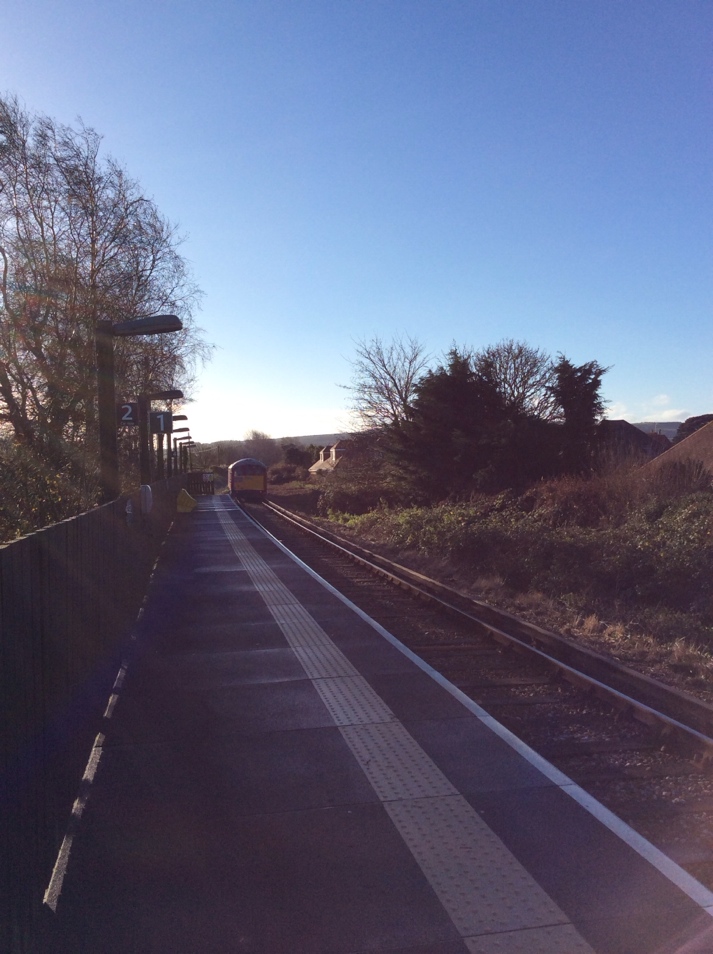
This was the smallest station on the line and relatively rural. A mind-boggling fact is that London Waterloo station (where I started from this morning) sees double the number of passengers in the morning peak period alone than Lake station sees in an entire year. After a brief wait, a distant clattering and banging announced the arrival of my train. I headed back to Ryde Pier head, and then caught a boat back to Portsmouth. 


Standard

No One Would’ve Believed…

As I was waiting at Penzance station last night I saw a quite large and quite slow-moving falling star. It was green in colour and carried a green mist behind it. At the time I thought nothing of it but, this morning, its chilling significance has become plain for all to see.

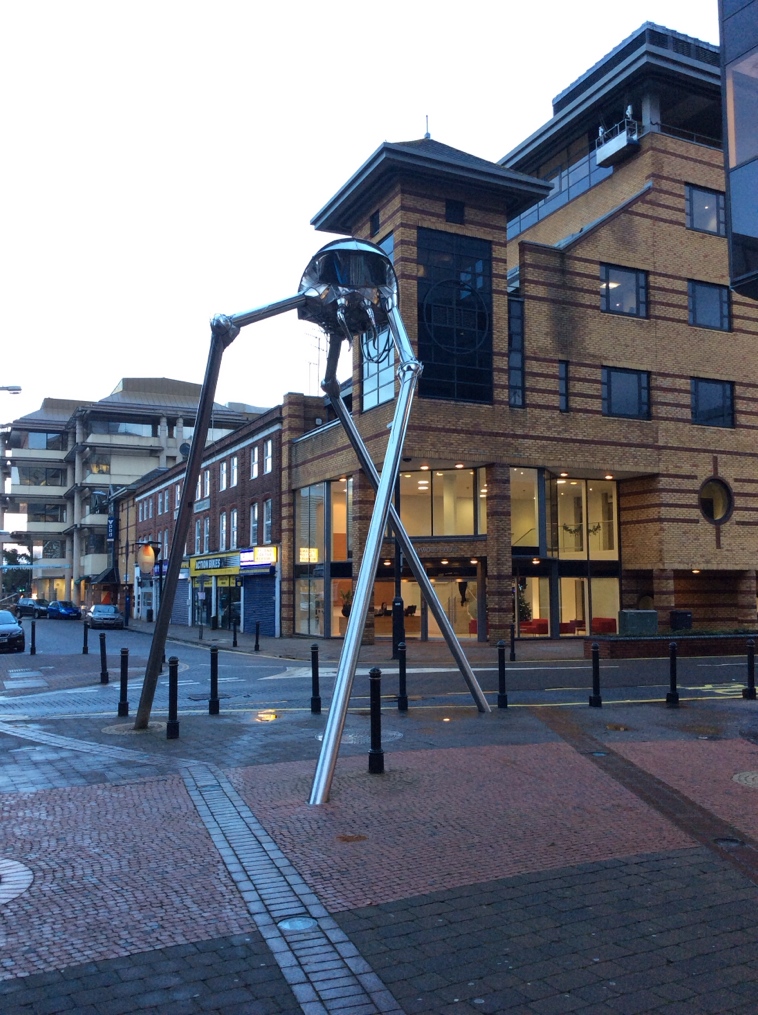
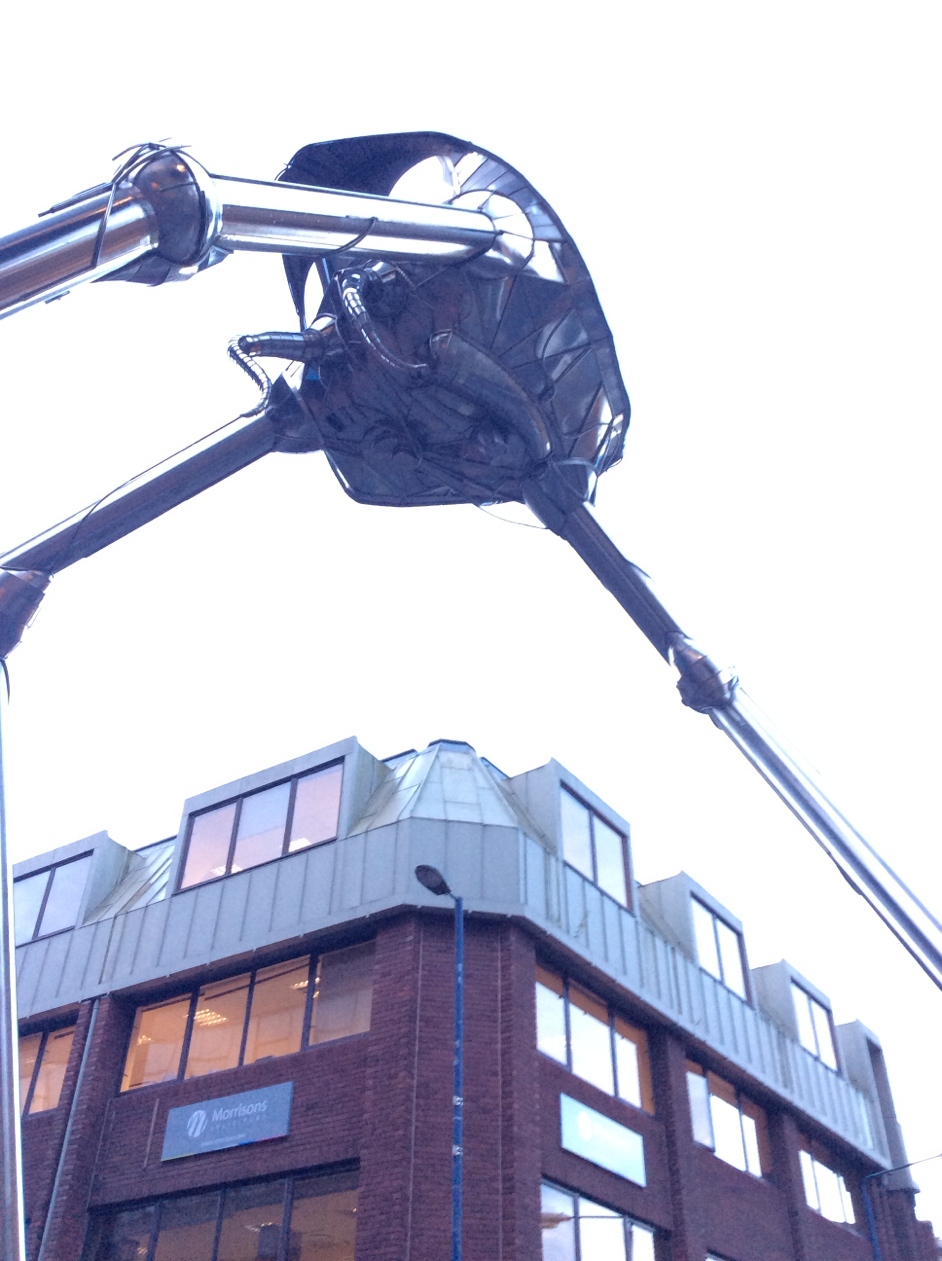
I don’t want to cause any of you undue alarm but, when you check the BBC News site this morning, you will see what I have just found out: Martians have invaded Woking.


I was on my way to Horsell Common when I first caught sight of the tripod-like machine striding brazenly through Woking town centre. Panicking locals told me that it had emerged from a capsule that had crashed on the common last night and had been having a catastrophic effect on the local real-estate market every since. One man, his face ashen, told me that when he saw the invasion commencing he immediately phoned his mortgage advisor. The widespread destruction and proximity to the Martian’s heat-ray meant that his one-bedroomed apartment on the third floor of a building shared with two night-clubs and a Tesco was now only worth £860,000.
The Tripod figure headed straight for me and then, miraculously, passed over my head:


I hurried back to the station and, in my haste, collided with a man who’s arms were laden with papers. They went everywhere. Helping him to pick them up I enquired as to his name. He replied that he was Ogilvy, the astrologer. He said that he was heading for the coast as he alignment of Venus to the south of Jupiter in the northern sky meant that the Martians could expect ‘good fortune’ today and that the human race was in for some ‘unwelcome news’. I asked him if he really thought these creatures could have come from Mars. Surely the chances of that were at least a million-to-one? He said he didn’t deal in probabilities as astrology was a precise science. He also reminded me that astrology had nothing at all to do with space, or indeed science.
The crowds at the station told me that they’d seen another cylinder in the sky. They said it looked like it was heading for London. With this in mind (and the fact that you really don’t want to be heading into London Waterloo at 9am on a week day – Martian invasion or not) I headed south, for the coast.

Standard